Translated with AI from the Russian original.
The decision of the Georgian authorities to provide a one-time and free transit of Azerbaijani fuel to Armenia was perceived as an important political gesture, but Tbilisi's further plans caused concern among all parties. After the first delivery, Georgia offered a tariff for subsequent transportation at the level of 92 dollars per ton on a section only 111 km long - dozens of times higher than similar rates in Azerbaijan. Baku and Yerevan considered such conditions to be economically unjustified barriers, although they tried not to escalate the conflict publicly.
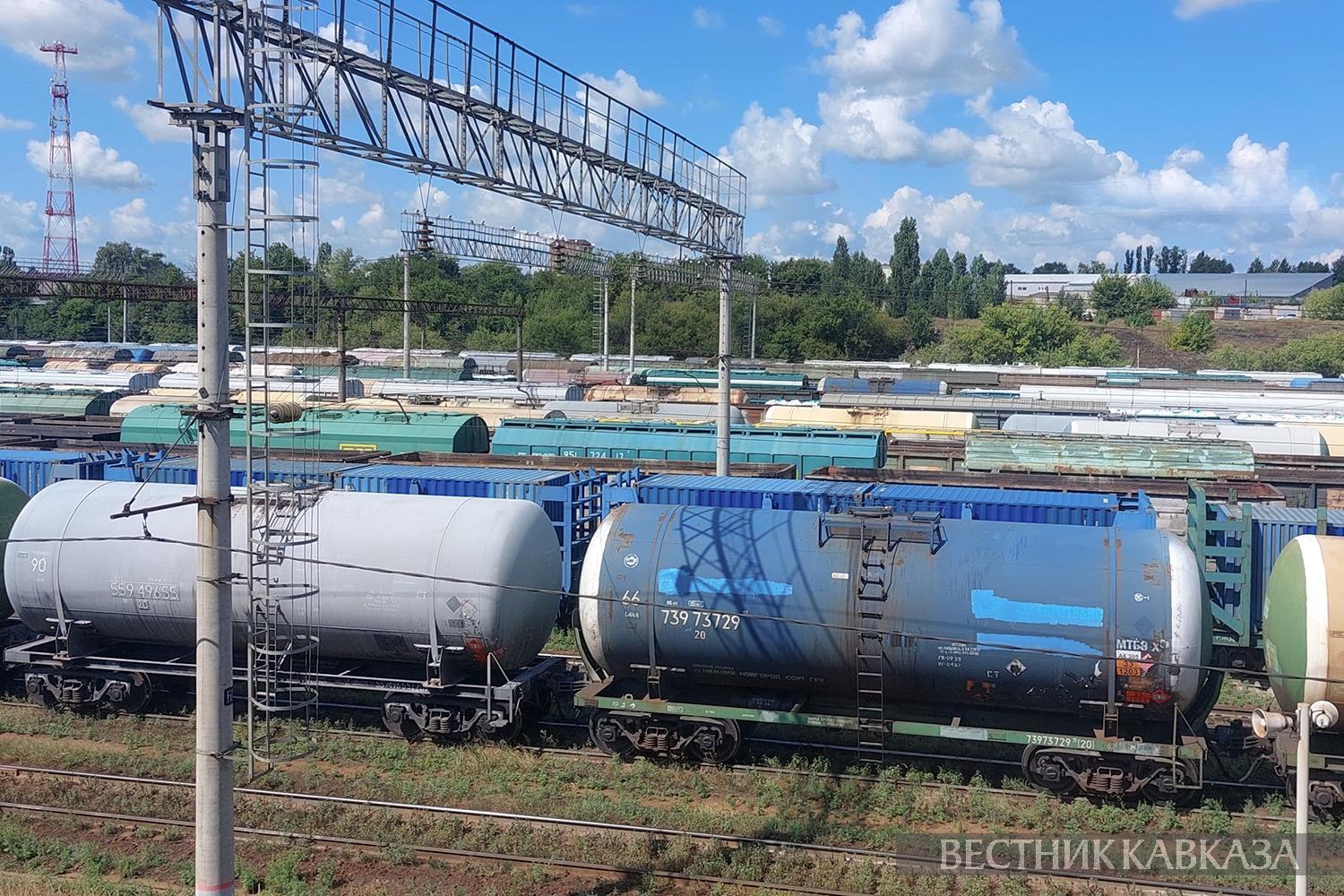
Georgian Prime Minister Irakli Kobakhidze later denied information about specific figures and emphasized the strategic partnership with neighboring countries, stating his readiness to seek a compromise. Nevertheless, the very approach to tariff policy called into question Georgia's role as a reliable transit country. Experts note that even taking into account the markups of freight forwarders, the increase in transportation costs cannot be multiple, otherwise logistics loses its meaning for shippers.
Against this background, Azerbaijan and Armenia may accelerate the restoration of direct rail communication Gazakh - Ijevan, which has not been used for more than 35 years. Such a route is able to start operating in a matter of months and, in the future, attract significant volumes of cargo, including supplies from Russia and Central Asia. In this case, Georgia risks losing up to several million tons of transit, and with it, the status of a key transport corridor in the region, if it does not now bet on long-term and competitive conditions.