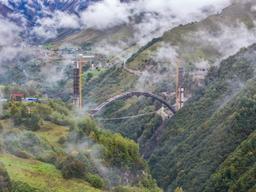
Georgia is simultaneously constructing hydroelectric power plants with a total installed capacity of 360 MW. The total investment in these projects exceeds $500 million, according to the country's Ministry of Economy. Some facilities are already nearing completion.
Hydropower plays a key role in Georgia's energy balance: HPPs account for about 70–80% of all electricity generation. However, production is highly dependent on the season. In spring and summer, the country can fully cover domestic demand and export electricity, while in winter, due to reduced water levels, a deficit arises, which must be compensated by imports and the operation of gas-fired thermal power plants.
One solution the authorities are considering is the construction of HPPs with reservoirs. Stored water will allow for increased electricity production during the winter period.
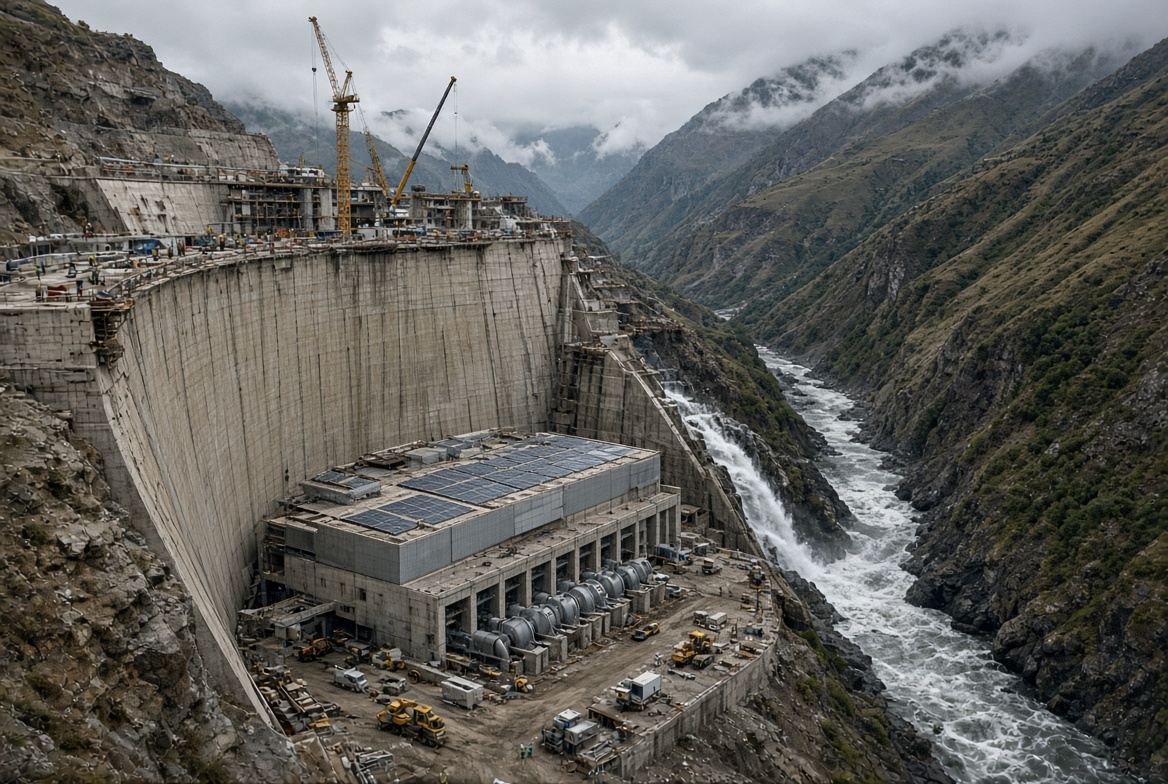
In addition to the facilities already under construction, Georgia is preparing HPP projects with a total capacity of over 1,000 MW. They are at the feasibility study stage, and the necessary investments are estimated at approximately $1.7 billion.
Among the projects in the final stage is the "Stori" cascade in Kakheti. It includes the "Stori" HPP with a capacity of 25 MW and "Stori-2" with 12 MW. The total capacity of the cascade will be 37.6 MW, and the estimated annual output will be 208 million kWh. The stations are planned to be connected to the energy system by the end of the year.
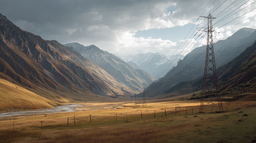
In parallel, the authorities are modernizing power transmission lines and substations to integrate new capacities into the national energy system. The government's strategic goal is to make the country's electricity sector fully self-sufficient by 2036.