Translated with AI from the Russian original.
In January–November 2025, electricity consumption in Georgia increased by 2.1% compared to the same period in 2024 and reached 13.4 billion kWh. These data were provided by the Georgian Electricity Market Operator. Against the backdrop of growing demand, domestic generation declined by 4.4%, to 12.7 billion kWh, which increased the country's dependence on imports.
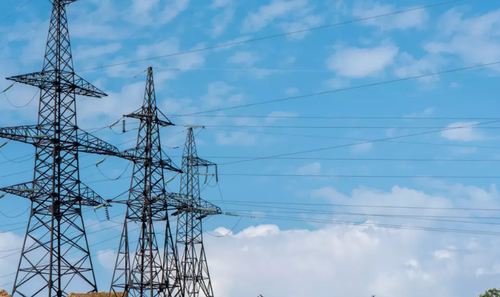
The main volume of generation was still provided by hydroelectric power plants — 10.4 billion kWh. Thermal power plants produced 2.2 billion kWh, while the Kartli wind farm generated about 73.7 million kWh. Electricity exports, meanwhile, collapsed by more than 51% and amounted to just over 511 million kWh, most of which was supplied to Turkey.
Imports, by contrast, grew by 34.8% and reached 1.3 billion kWh. Russia became the leading supplier with a 63.5% share, while Azerbaijan provided nearly a third of the total volume — 29.6%, or about 373 million kWh. Experts note that if current trends continue, by 2030 Georgia may face a serious energy shortage: electricity consumption could increase by 73% and approach 22 billion kWh.