A new model for providing assistive technologies has been launched in Georgia, integrating such devices directly into the healthcare system. This includes wheelchairs, prostheses, hearing aids, and mobility aids, previously unavailable to thousands of people, especially outside major cities. Now, assistance can be obtained closer to home, without traveling to the capital and waiting for a long time.

The reform started in 2021 with the approval of a national list of priority assistive products, aligned with WHO recommendations. Since then, the number of devices funded by the state has increased from 13 to 24. Pilot projects in Samegrelo and Adjara showed that primary health care facilities can effectively assess patients' needs, issue devices, and train them in their use, which is especially important for rural communities.
Funding for the program has increased by 55% in two years, to 8.5 million GEL in 2025. The state fully covers the cost of children's and electric wheelchairs and hearing aids, and has also introduced a referral system for patients after amputations. According to the WHO, this approach creates a complete ecosystem of assistive technologies and makes them not a privilege, but a basic right, directly affecting people's independence and quality of life.
Now on home
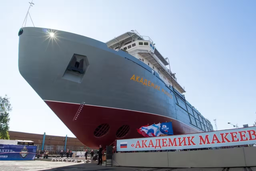
Ship equipment comes to Russia from China at inflated prices
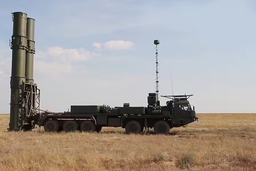
Almaz-Antey and the Belarusian Ministry of Defense signed a contract for equipment maintenance
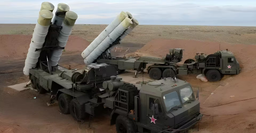
The complex's computing resources allow for the competent distribution of targets between launchers
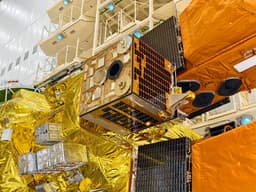
Among the spacecraft are Aist-2T No. 1 and No. 2

Deputy Prime Minister Novak announced a postponement of the deadlines, but confirmed the commitment to developing the sector
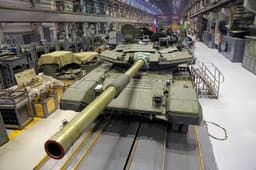
Design engineers without experience are promised salaries from 80 thousand rubles
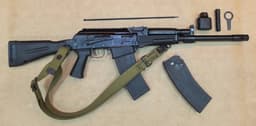
Hard and dense shot ensures the destruction of the target from the first hit, regardless of the drone's body material

Almost all body elements are zinc-treated
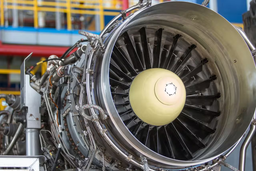
SOGAZ lost the case in court against UEC-UMPO
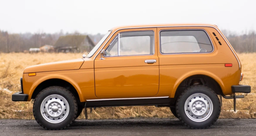
A rare SUV with a mileage of 38,533 km is offered for 2 million rubles
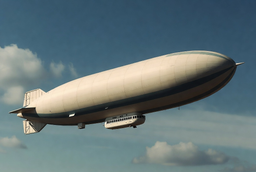
The government has included passenger and cargo airships among the key transport technologies of the future

Moscow sent 43 containers of weapons, including ATGMs and sniper rifles